Missing-Tooth Planning
How Are Implant, Bridge, and Denture Options Compared for Missing Teeth?
Explains how implant, bridge, and removable denture options are reviewed by bone support, neighboring teeth, hygiene, and expectations.
Prepared by
Dt. Seçil Sönmez
Clinical review
Dt. Seçil Sönmez, Dentist
Updated
May 13, 2026
Read time
6 min
There is no single correct option for every missing tooth. Implants, bridges, and removable dentures can have different advantages and limits in different mouths. The decision depends not only on the gap, but also on neighboring teeth, bone support, gum health, and hygiene habits.
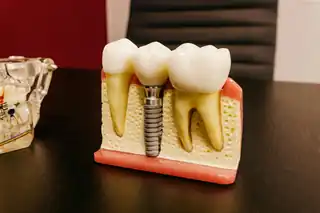
Implant planning considers bone volume, chewing load, and general health information. For bridges, the condition and load capacity of neighboring teeth become important. For removable dentures, retention, comfort, tissue support, and maintenance habits matter.
Some patients may realistically have more than one option. In that case, the goal is not to present one method as universally superior, but to explain which path fits the person's mouth and expectations more balancedly.
An early consultation for a missing tooth helps discuss tooth movement, chewing pattern, and cleaning difficulty more clearly. The decision can then be based on examination findings rather than urgency alone.
General information
This article is for general information and does not replace a personal diagnosis or treatment plan. Dental concerns should be evaluated by a dentist.