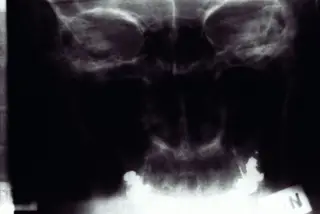
Surgical assessment covers impacted teeth, extraction needs, infection sources, and jaw-related conditions by reading the clinical findings together with imaging.
Planning is not limited to the procedure day; anatomy, recovery expectations, control visits, and the effect on daily life are all reviewed from the start.
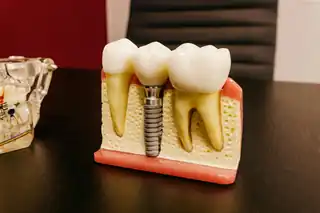
View pageFor single missing teeth or wider tooth loss, implant planning looks beyond replacing the gap and reviews bone support, soft tissue harmony, and long-term function together.
Bone volume, bite contacts, hygiene level, and when needed a staged healing flow are all considered before the plan is finalized.
View pageImpacted or partially erupted wisdom teeth are assessed through recurring swelling, pressure, limited opening, and possible effects on the neighboring tooth.
Tooth position, tissue relationship, and recurrence pattern are reviewed with imaging to decide whether monitoring or surgery is the more balanced route.
View pageSurface staining, overall tooth shade, and smile expectations are assessed separately to understand whether Airflow cleaning, whitening, or a combined plan fits better.
Enamel structure, sensitivity history, current restorations, and maintenance habits all influence the final recommendation.
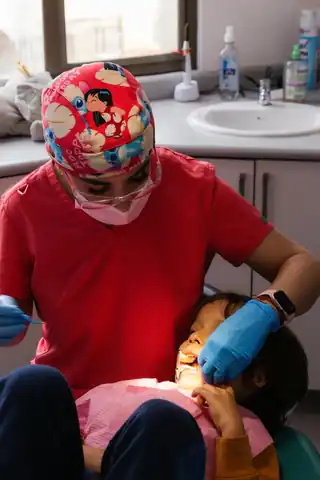
View pagePediatric care combines prevention, age-appropriate communication, examination adaptation, and monitoring of eruption patterns in one calmer treatment framework.
The goal is not only to solve the current issue, but also to support families with home-care routines, dietary guidance, and sustainable follow-up timing.
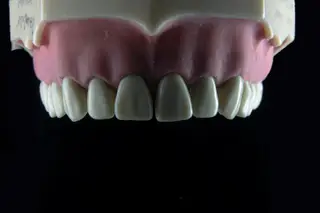
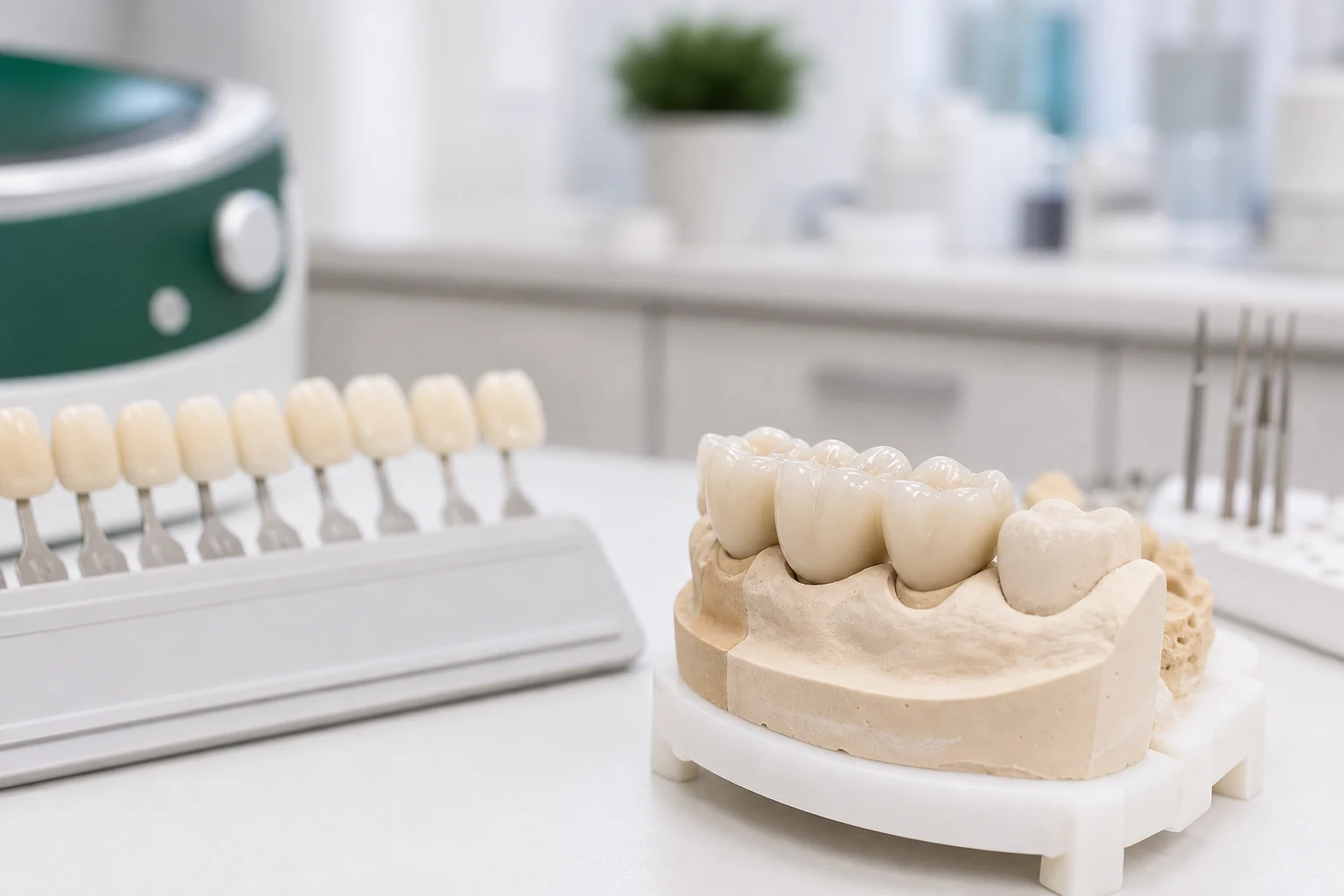
View pageZirconium planning reviews shade harmony, tooth form, smile line, and compatibility with neighboring teeth to support a more natural restorative result.
The decision is shaped not only by esthetics, but also by bite balance, everyday comfort, and ease of long-term maintenance.
View pageMasseter botox, gummy smile assessment, and lip or jawline applications are evaluated through facial proportions, muscle activity, and lower-face balance together.
Planning aims to preserve natural expression while discussing suitability, treatment limits, and expectations in a clear way.
View pageEndodontic and restorative planning focuses on preserving as much healthy tooth structure as possible while deciding between root canal care and aesthetic restoration.
Pain control, fracture lines, spread of decay, shade harmony, and daily durability are all considered within the same treatment frame.
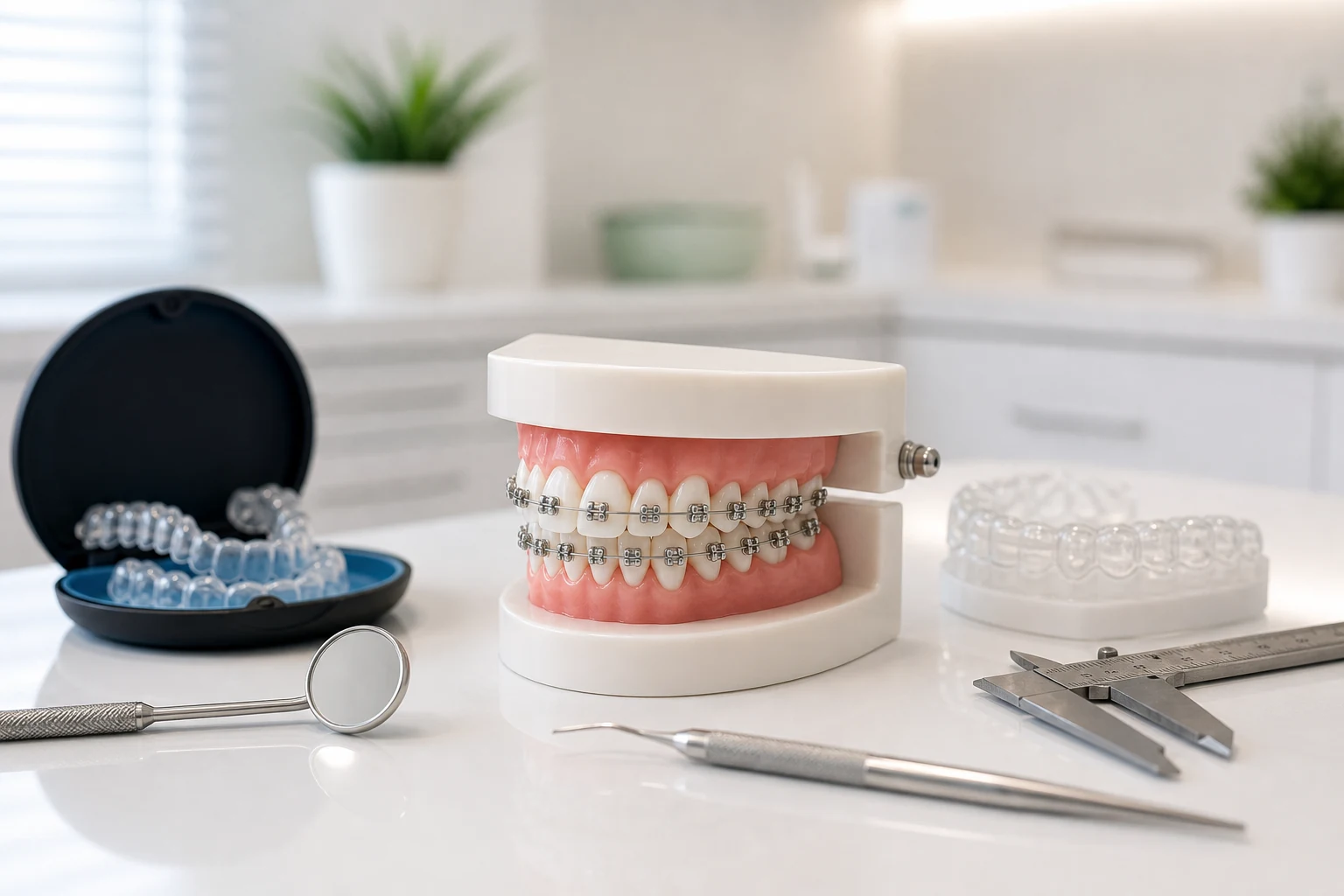
View pageOrthodontic planning with braces or clear aligners reviews alignment, bite, cleanability, and day-to-day habits together instead of focusing on appearance alone.
The treatment path is chosen according to tooth movement needs, follow-up discipline, and functional goals as much as visual expectations.
View page