Jaw and Grinding
How Are Morning Jaw Pain and Teeth Grinding Signs Evaluated?
Explains how morning jaw fatigue, tooth wear, headaches, and night grinding complaints may be reviewed during examination.
Prepared by
Dt. Seçil Sönmez
Clinical review
Dt. Seçil Sönmez, Dentist
Updated
May 13, 2026
Read time
5 min
Morning jaw pain, tooth sensitivity, headaches, or clicking around the jaw joint can be associated with clenching and grinding. These signs do not always share one cause. Stress, bite relationship, sleep pattern, existing restorations, and muscle sensitivity should be considered together.
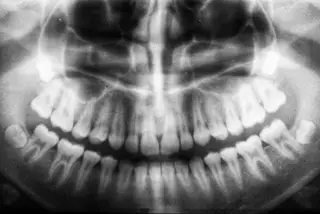
During examination, tooth wear, crack lines, fillings and crowns, jaw muscle sensitivity, and joint movement may be reviewed. When the patient feels pain, whether clenching is noticed during the day, and whether the jaw feels tired in the morning all influence the plan.
A night guard may be considered for some patients, but it is not the single answer to every jaw complaint. First, the source should be understood more clearly: muscle, joint, tooth, or bite related. Orthodontic assessment, restoration review, or habit tracking may also be part of the plan.
The goal is not to promise a miracle solution. It is to make findings easier to monitor. Pain, fracture, lost fillings, or progressing wear should be evaluated earlier.
General information
This article is for general information and does not replace a personal diagnosis or treatment plan. Dental concerns should be evaluated by a dentist.