Service Guide
Why Does Preventive Care Matter in Pediatric Dentistry?
Explains why early review, habit guidance, and the child’s clinic experience matter together in pediatric dentistry.
أعده
Dt. Seçil Sönmez
مراجعة سريرية
Dt. Seçil Sönmez, طبيب أسنان
آخر تحديث
13 مايو 2026
مدة القراءة
5 min
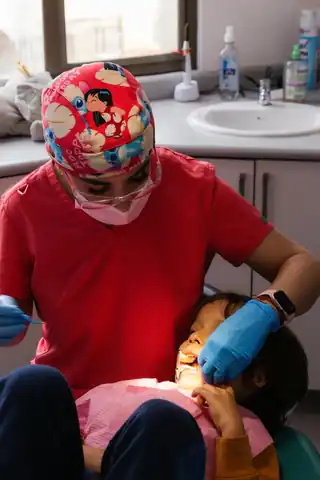
Pediatric dentistry is not limited to moments when a child already has pain. Preventive care includes monitoring eruption, discussing feeding and bottle habits, adapting oral hygiene to the child’s age, and helping the child become comfortable with the clinic environment. That is why pedodontic assessment usually begins with observation and guidance rather than with procedures.
Primary teeth are sometimes underestimated because they are temporary, yet they play an important role in chewing, speech, and preserving space for permanent teeth. Early findings such as decay, enamel problems, or eruption irregularities can often be handled with a calmer and more conservative plan.
Family guidance is a major part of preventive pediatric care. When brushing routines, snacking habits, night feeding, and follow-up timing are discussed clearly, oral health is supported not only in the clinic but also in the child’s daily home routine.
معلومات عامة
هذه المقالة مخصصة للمعلومات العامة ولا تغني عن التشخيص الشخصي أو خطة العلاج. ينبغي تقييم مشكلات الأسنان لدى طبيب أسنان.